

You’ve done the course. So why are you still here?
You’ve done the leadership course, you’ve got the skills, and you still talk yourself out of every senior role that comes up. Here’s why the training never reached that part, and what does.
You’ve done the leadership course, you’ve got the skills, and you still talk yourself out of every senior role that comes up. Here’s why the training never reached that part, and what does.
An ex-colleague told her boss she was going for promotion. He said, "I don't know what we'd do without you." She walked away feeling guilty. If you've been told you're the glue holding your department together, here's what that compliment actually tells you, and what it doesn't.
How many times have you scrolled past a senior leadership advert, thought "I could do that", and quietly closed the tab? I did, more than once, with the experience sitting right there on my CV. Readiness was never what stood in my way, and it probably isn't what's stopping you either.

Women are 65% of the FE workforce but only 54% of leaders, and that hasn't shifted in four years. The drop happens at one step, manager to senior leader. Here's why I think that is, and the senior role I turned down without ever testing my own assumptions.
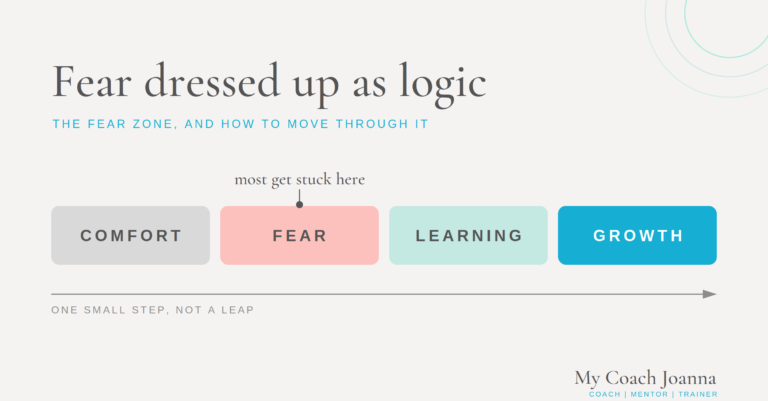
You want senior leadership, but the sensible reasons for not going for it keep piling up. At 38, a single mum of two, I told myself the same things for two years. Here's the model that finally showed me what was really going on.

If you want senior leadership but can't quite make yourself go for it, I'd put money on there being a pros and cons list somewhere. Several versions, probably. Here is why it feels like progress and why it might be the very thing keeping you stuck.

Your HoD knows how to be a senior leader. She just doesn't believe she can be one. There's a difference, and it matters.
You've been thinking about that VP role for months. You know you could do it. You know you want it. But every time you imagine the conversation with your partner, your stomach tightens.
So instead of being direct, you test the water. "There might be a restructure coming up." "Do you think I could do an AP role?"
Here's what I know from progressing through senior leadership whilst being the primary parent: avoiding this conversation doesn't make it easier.
If you're serious about stepping up, you need five specific conversations with your partner. Not vague "are you okay with this?" chats. Proper, uncomfortable, necessary conversations that test whether what you need and what they're willing to give actually match.

Many women in FE avoid networking because it feels like cold calling or awkward breakfasts at dawn, but building your network is really about meaningful connections. Here’s how to grow a strong, genuine network that supports your move into senior leadership, without the hard sell.

When I was a single mum working in Further Education, I almost didn’t apply for a senior leadership role because I was convinced family life and leadership couldn’t mix. I imagined endless crises, guilt, and judgement. The reality turned out to be very different — and taught me that the biggest barriers weren’t practical at all, they were the stories I was telling myself.