


Alice “Would you tell me, please, which way I ought to go from here?”
“That depends a good deal on where you want to get to,” said the Cat.
“I don’t much care where.”
“Then it doesn’t much matter which way you go.”
Lewis Carroll’s Cheshire Cat had a point.
I shared this quote from Alice in Wonderland on LinkedIn last week, because it sums up why so many people feel lost in their careers. They know they want change, but haven’t worked out what kind of change or how to get there.
I’ve made three significant career transitions, each one deliberate and carefully thought through. I started out managing hotels in catering and hospitality, then moved into teaching catering. From there, I stepped into leadership roles in Further Education. My final shift was retraining as a coach and setting up my own business, which I now run from my home by the sea.
None of these transitions were random. Each was sparked by a feeling that something needed to change, that I was ready for something more, or something different.
So, how do you know when it’s time to move on?
For me, the signs were clear. I was bored. I stopped feeling challenged. I wanted more control over my time and lifestyle.
You might feel something similar – a sense that the job you’re doing no longer fits who you are or how you want to live. But once you’ve felt that nudge, what’s next?
Here’s the approach I’ve used for myself and one I often guide my coaching clients through in my Career Crossroads programme.
1. Clarify What You Want Next
Before you leap, pause.
Ask yourself:
- What are my core strengths? Take this free survey to identify your character strengths.
- What do I value most?
- What skills have I built that I want to use more of or less of?
- What do I want my average day to look like?
This last one is often overlooked, but it’s key. Do you want flexibility? Fewer meetings? More time with people, or more time to think? What type of activities do you want to be doing?
If you’re not sure, start with a few honest reflections:
- What parts of your current or past roles have energised you?
- When did you last feel excited about work, and what were you doing?

2. Stay, Shift, or Step Out?
A change doesn’t always mean leaving your sector or organisation. Sometimes, a move sideways or into a different department can reignite things.
When I was working in Further Education, I moved from curriculum into employer engagement. That gave me a broader understanding of the college and helped me develop new skills. I then transitioned to an adult education charity, which was a different pace and focus, but still within the education world.
Later, when I trained as a coach and started my own business, I took a much bigger step, but by that point, I knew exactly what I wanted and why.
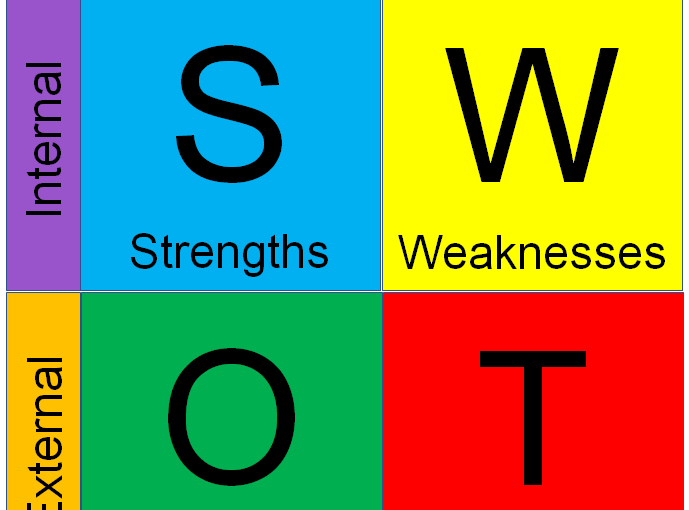
3. Do a SWOT on Yourself
Think about yourself the way you’d assess a project or a business.
- Strengths – what do you do well? What do others rely on you for?
- Weaknesses – what’s holding you back? What do you avoid?
- Opportunities – what could you step into, if you built on your strengths?
- Threats – what might get in your way? (E.g. confidence, lack of experience, financial pressure.)
I applied to become an Ofsted Inspector not because I wanted to inspect full-time, but because I saw it as a strategic move. It gave me valuable experience, deepened my understanding of the system, and added something to my CV that few others had.
Ask yourself: What skills or experience would give you the edge in the next role you’re aiming for?
4. Test the Waters
You don’t have to quit your job to explore something new.
Before I left education, I spent a long time speaking with consultants, inspectors and freelancers. I wanted to know what the work really involved, how much there was, how it paid, how it fit into their lives.
Before I became a coach, I attended a free coaching weekend with The Coaching Academy to see if it was for me. (I signed up on the second day, completely bought in!)
You can do the same.
- Set up short calls with people doing the work you’re curious about
- Ask questions about their day-to-day
- Look at part-time secondments, volunteering, project work or short courses
This kind of research isn’t just useful, it builds confidence. And it helps you make an intentional choice, not just a reactive one.
5. Find Your Allies
Who can help you?
That might be a coach, a mentor, or a colleague who has made a similar move. It might be someone you don’t know yet, but whose path you admire. Reach out (yes, I said it) and have the conversation. Most people are happy to talk about their work if you approach them with genuine curiosity.
Know Where You’re Going – And Why
Making a career move is a big decision, but it doesn’t have to be a blind leap.
Get clear on what you want. Explore your options. Plan your next steps.
The clearer your direction, the more likely you’ll find the right path, one that fits your values, strengths and lifestyle.
Because when you know where you’re going, the road ahead becomes a lot easier to walk.
If you enjoyed this article, I have written others on the topic of moving into a new role or starting up your own business.
Book a call with me
If you want to have a conversation with me about your career journey then find a day/time that suits you below or join my mailing list for more practical tips, stories and inspiration.